To Buy Augmentin Online Visit Our Pharmacy ↓
 Augmentin’s Impact on Gut Health: Myths and Facts
Understanding Augmentin: a Quick Overview
Augmentin, a widely prescribed antibiotic, is a combination of amoxicillin and clavulanic acid. This dynamic pair works together to combat bacterial infections by preventing bacteria from building cell walls, effectively inhibiting their growth. Amoxicillin targets specific bacteria strains, while clavulanic acid broadens its spectrum by neutralizing resistance mechanisms that some bacteria might deploy.
Despite its effectiveness, it's essential for patients to understand how Augmentin interacts with their bodies. The balance of good and bad bacteria in the gut, known as the microbiome, can be temporarily disrupted during antibiotic treatment. It's crucial to manage its use prudently to maintain this balance.
| Component | Function |
|---|---|
| Amoxicillin | Targets and kills specific bacteria |
| Clavulanic Acid | Enhances effectiveness by overcoming bacterial resistance |
How Augmentin Affects Your Gut Microbiome

When you pop that little pill of Augmentin, its mission is clear: tackle the infection at hand. But this antibiotic, a blend of amoxicillin and clavulanate, doesn't discriminate—it targets bacteria indiscriminately, affecting both harmful and beneficial bacteria in your gut. The gut microbiome, a bustling community of microbes, plays a critical role in digestion, immune function, and even mood regulation.
Augmentin's broad-spectrum nature can disrupt this delicate balance. As it wages war on bacteria, the diversity and abundance of beneficial gut microbes can decline, leading to various digestive disturbances like diarrhea or bloating. However, the gut's resilience often shines through as it gradually recuperates once the medication course ends.
The extent of disruption can vary depending on individual factors such as diet, pre-existing gut health, or the duration of Augmentin use. While it's a temporary phase for many, understanding and navigating this impact is crucial for maintaining overall well-being.%%%%%%%%%%%%%%%%%%%%%%%%%%%
Debunking Common Myths about Antibiotics and Gut Health
When it comes to gut health and antibiotics, misconceptions abound, particularly concerning drugs like Augmentin. Many believe that all antibiotics indiscriminately wipe out beneficial bacteria, leaving the gut vulnerable long-term. However, not all antibiotics act the same way; Augmentin, a combination of amoxicillin and clavulanic acid, is designed to target specific pathogens, which means its impact on the gut microbiome can vary.
Another myth is that taking probiotics alongside antibiotics will entirely prevent gut disruption. While probiotics can support gut health, they don’t instantly replace the diversity lost during treatment with Augmentin. The gut microbiome is resilient and often recovers over time with appropriate dietary support. Understanding these nuances helps individuals take proactive steps in managing gut health during and after a course of antibiotics.
Scientific Insights: Augmentin's Short and Long-term Effects
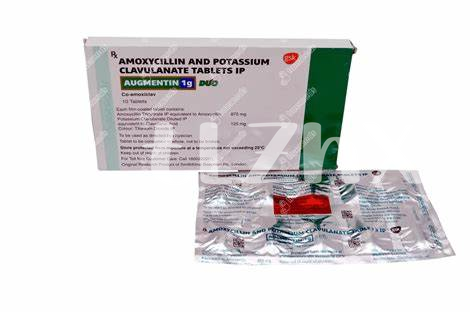
Research has shown that Augmentin, a well-known antibiotic, can disrupt the delicate balance of the gut microbiota in the short term. It targets harmful bacteria, but also affects beneficial ones, potentially leading to digestive disturbances such as diarrhea. These are usually transient, with most individuals recovering their microbiome balance after completing the medication.
In the longer term, repeated or prolonged use of Augmentin may contribute to reduced microbial diversity in the gut, raising concerns about antibiotic resistance and other health implications. However, these effects vary among individuals based on genetics, diet, and overall health.
To mitigate these impacts, scientists suggest strategies like incorporating probiotics and a fiber-rich diet during and after treatment. This approach helps replenish beneficial bacteria and supports gut health, ultimately fostering a more rapid recovery of the microbiome post-antibiotic usage.
Practical Tips to Protect Gut Health during Treatment
Augmentin, like many antibiotics, targets harmful bacteria but can inadvertently affect beneficial gut flora. This can lead to temporary imbalances, potentially manifesting as digestive discomfort. To counteract such effects, hydration becomes crucial. Ample water intake supports detoxification and nutrient transport, which assists in maintaining gut health.
Incorporating prebiotic-rich foods is another way to nurture your microbiota during this period. Foods like bananas, onions, and garlic can promote the growth of beneficial bacteria. Furthermore, spacing out meals rather than consuming large portions at once allows for better digestion and reduces strain on the gut.
Additionally, consult with a healthcare professional about including probiotics during your Augmentin course. Probiotics can introduce beneficial bacteria, potentially mitigating any imbalance caused by antibiotics. A balanced approach encompassing diet, hydration, and probiotic support not only aids in reducing immediate discomfort but also sets the foundation for long-term gut health resilience.
| Nutrients | Food Sources |
|---|---|
| Prebiotics | Bananas, onions, garlic |
| Probiotics | Yogurt, kefir, sauerkraut |
Foods and Supplements That Support Recovery Post-augmentin
Navigating recovery after Augmentin therapy can be a straightforward yet impactful experience when you know which foods and supplements to incorporate. Begin with fermented foods like yogurt and kefir, which are rich in probiotics, aiding in the rebalancing of your gut flora. Incorporating prebiotic fibers found in foods such as garlic, onions, and bananas can further enhance this process by nourishing the beneficial bacteria. Additionally, supplements like a high-quality probiotic capsule can offer concentrated support. Lastly, ensure to stay hydrated and consume a balanced diet to maintain overall health.
Scientific Article on Antibiotics and Gut Health Overview of Augmentin and Its Effects
