To Buy Azithromycin Online Visit Our Pharmacy ↓
 Azithromycin Dosage Guide: What You Need to Know
What Is Azithromycin and How It Works
Azithromycin belongs to a class of antibiotics known as macrolides. It works by inhibiting the bacterial protein synthesis by binding to the 50S ribosomal subunit, thereby stopping bacteria from growing and multiplying. This mechanism makes it effective against a wide range of bacterial infections.
Doctors often prescribe Azithromycin to treat respiratory infections, skin infections, ear infections, and sexually transmitted diseases. Its unique ability to penetrate tissues and cells allows it to fight off bacteria that other antibiotics might miss.
Azithromycin's broad-spectrum efficacy and relatively low incidence of side effects make it a popular choice among healthcare providers. However, its interaction with various medications necessitates careful supervision.
| Infection Type | Effectiveness |
|---|---|
| Respiratory Infections | High |
| Skin Infections | Moderate |
| Sexually Transmitted Diseases | High |
Common Uses and Indications for Azithromycin

Azithromycin is a versatile antibiotic commonly prescribed to treat various bacterial infections. It's particularly effective against respiratory tract infections, such as bronchitis and pneumonia, which makes it a top choice for treating these ailments. Additionally, azithromycin is often used to combat ear infections, sinusitis, and certain sexually transmitted infections like chlamydia. Its ability to hinder the growth of bacteria by inhibiting protein synthesis contributes to its broad-spectrum efficacy.
Moreover, azithromycin is a staple in managing skin and soft tissue infections, where it helps clear up conditions like cellulitis and impetigo. Its unique pharmacokinetic properties, such as sustaining high tissue concentrations, render it effective even in shorter courses compared to other antibiotics. For those allergic to penicillin, azithromycin serves as a valuable alternative, offering a reliable solution without the risk of adverse allergic reactions.
It's interesting to note that azithromycin also plays a role in treating specific gastrointestinal infections, including traveler's diarrhea caused by bacteria. This wide range of applications underscores its importance in the medical field. When used correctly under professional guidance, azithromycin can provide significant relief and improve patient outcomes across a variety of bacterial infections.
Standard Azithromycin Dosage for Adults
Azithromycin is a versatile antibiotic commonly prescribed for various bacterial infections in adults. The typical dosage regimen often starts with a loading dose of 500 mg on the first day, followed by 250 mg once daily for the next four days. This five-day course aims to provide a sustained therapeutic effect, ensuring the medication remains active in the system to completely eradicate the infection.
In some cases, a single 1-gram dose of azithromycin is recommended, particularly for treating certain types of sexually transmitted infections. The flexibility in dosing highlights its advantage, offering different schedules based on the specific infection and patient needs. It is essential to follow your healthcare provider's instructions closely to maximize the medication's effectiveness.
For those with more severe infections, extended treatment durations or higher doses may be necessary. Always consult your healthcare provider for personalized advice about azithromycin, as misuse or deviation from prescribed instructions can reduce its effectiveness and contribute to antibiotic resistance.
Pediatric Azithromycin Dosage Recommendations
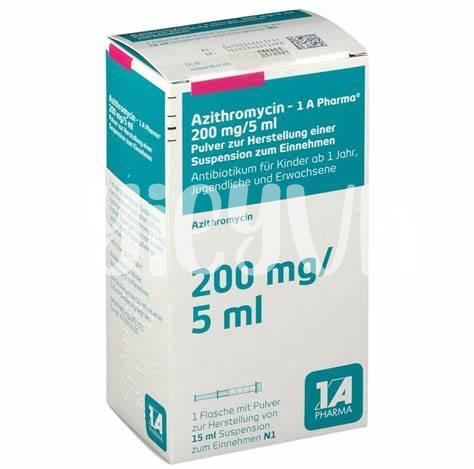
In pediatric patients, dosing of azithromycin is generally calculated based on the child's weight. For children with bacterial infections, the typical dosage might be 10 mg/kg on the first day, followed by 5 mg/kg on days 2 through 5. This regimen ensures a steady therapeutic level of the medication in the child's system, maximizing its efficacy while minimizing potential resistance.
Azithromycin is often dispensed in liquid form for ease of administration to younger patients. It's essential to use the provided dosing spoon or syringe to ensure accurate measurement. Parents should be instructed to adhere to the prescribed dosage schedule strictly, even if the child starts feeling better before completing the course. This practice helps in fully eradicating the infection and preventing recurrence.
Moreover, for conditions like community-acquired pneumonia, the dosage and duration might slightly differ. Therefore, consulting a pediatrician for specific medical advice tailored to the child's health condition is critical. Misuse or overuse of azithromycin in pediatric cases can lead to adverse effects and antibiotic resistance, emphasizing the need for strict compliance to the prescribed dosage regimen.
Potential Side Effects and How to Manage Them
When taking azithromycin, it's important to be aware of possible side effects, ranging from mild to severe. Commonly reported issues include nausea, vomiting, diarrhea, and abdominal pain. These symptoms are usually manageable with over-the-counter remedies and staying hydrated. However, more serious side effects, such as severe allergic reactions, liver issues, or irregular heartbeats, require immediate medical attention. Always consult your healthcare provider for guidance if you experience any adverse effects. Understanding these potential side effects can help you use azithromycin more safely and effectively.
| Side Effect | Management |
|---|---|
| Nausea & Vomiting | Over-the-counter remedies and hydration |
| Diarrhea | Electrolyte solutions and hydration |
| Severe Allergic Reactions | Seek immediate medical attention |
Important Precautions and Drug Interactions
When considering azithromycin, it's crucial to be aware of certain precautions and potential drug interactions. Patients with liver disease should use azithromycin cautiously, as the medication is primarily metabolized by the liver. Moreover, this antibiotic can prolong the QT interval, so it’s essential for those with cardiac conditions or on medications affecting heart rhythm to consult their healthcare provider.
Regarding drug interactions, azithromycin can interact with antacids containing aluminum or magnesium, reducing its effectiveness. Additionally, combining azithromycin with blood thinners like warfarin can increase the risk of bleeding. Always discuss your full medication list with your doctor to avoid harmful interactions.
