To Buy Femara Online Visit Our Pharmacy ↓
 Comparing Femara and Clomid: Which Fertility Drug Wins?
How Femara and Clomid Work in the Body
A quiet hope often begins with a prescription: Femara gently reduces estrogen production, signaling the brain to encourage follicle stimulation.
Clomid blocks estrogen receptors at the hypothalamus, tricking hormonal feedback loops into increasing FSH and LH release for ovulation.
Both aim to recruit and mature eggs, but Femara often produces a subtler hormonal shift while Clomid can cause broader receptor effects.
Clinicians choose based on cycle response, side-effects, and prior testing; monitoring ensures safe stimulation and timing for insemination or IVF.
| Drug | Action |
|---|---|
| Femara | Aromatase inhibitor |
| Clomid | Estrogen receptor blocker |
Comparing Ovulation Success Rates and Pregnancy Outcomes
In clinic I’ve watched hopeful couples trade anxiety for cautious optimism after a prescribed cycle: ovulation is the first hurdle, and drugs like Clomid or femara aim to clear it. Both often restore ovulation when none occurred, but the story diverges once pregnancy is considered.
Randomized trials show similar ovulation rates, roughly 70–80% per cycle for both, but letrozole (femara) often yields higher live-birth rates, especially in women with PCOS. Meta-analyses report greater cumulative pregnancy and live-birth rates with femara versus clomiphene, possibly because femara preserves endometrial thickness and avoids anti-estrogenic effects.
Choice therefore hinges on diagnosis and goals: femara may be preferred for PCOS or prior clomiphene failure, while clomiphene remains reasonable for many first-line settings. Shared decision-making should weigh slightly higher pregnancy odds with femara against individual tolerance, monitoring needs, and fertility clinic protocols, and personalized follow-up care.
Side Effects, Risks, and Long-term Safety Profiles
Patients often weigh comfort and safety when choosing fertility drugs; femara tends to cause milder estrogen-related symptoms than clomiphene, but both can produce headaches, mood changes, and ovarian tenderness requiring attentive clinician-follow-up with ongoing monitoring.
Clomiphene’s anti-estrogen action can thin cervical mucus and sometimes reduce endometrial thickness, while aromatase inhibitors like femara generally spare the lining but may slightly alter lipid profiles; side-effect patterns guide individualized choices and fertility outcomes.
Risk of ovarian hyperstimulation is lower with aromatase inhibitors, whereas clomiphene carries modestly higher multiple pregnancy rates; long-term cancer associations remain inconclusive, so risk conversations should reflect current evidence and patient priorities and shared decision-making.
Clinicians typically monitor ovulation, endometrial changes, and side effects with ultrasound and bloodwork; for patients with specific risks, lifestyle, age, and prior response inform whether femara or clomiphene offers a safer, more effective path today.
Dosage, Monitoring, and Treatment Practicalities Explained
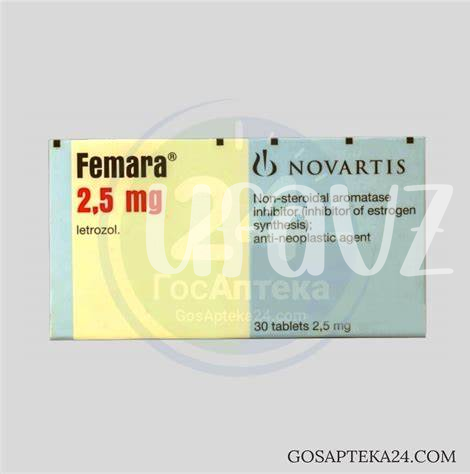
Starting treatment often feels like a small adventure: doctors commonly begin with low-dose regimens and adjust based on response. For many, femara is prescribed at 2.5 mg daily for five days early in the cycle, while clomiphene follows a 50–100 mg daily pattern; specialists rely on serial ultrasounds and mid-luteal progesterone tests to time intercourse or insemination.
Frequent monitoring minimizes risks and tailors dose: bloodwork checks for ovarian hyperstimulation and endometrial thickness, and cycles may be cancelled if follicles grow too many or unevenly. Practicalities include scheduling scans, tracking symptoms, and balancing convenience with efficacy—clear communication with the clinic makes the process less stressful and more efficient. Discuss fertility goals and timelines with your team.
Cost, Accessibility, and Insurance Considerations Compared
Navigating fertility treatment often feels like balancing hope and bills; patients I work with wonder whether cheaper pills mean the same chance of success. Generic clomiphene can be inexpensive and widely available, whereas femara, though often more costly, may be covered by some insurers for specific diagnoses. Pharmacy discounts, coupons, and clinic samples can change out‑of‑pocket burdens quickly, so asking upfront about formularies turns confusion into clarity.
Clinics differ: university programs may bundle monitoring to lower costs, private clinics might charge itemized fees, and rural patients face access hurdles that increase travel expenses. Discussing expected visits, ultrasound or bloodwork needs, and trial length with your provider helps predict financial strain. The table below summarizes typical patterns. Also ask clinics about sliding scales, charitable funds, co-pay assistance, trial length discounts, and whether monitoring costs are bundled to reduce surprises upfront now.
| Drug | Typical Monthly Price | Insurance Coverage |
|---|---|---|
| Clomid generic low | $ | Often covered |
| Femara brand moderate | $$ | Sometimes covered |
Choosing between Them: Patient Scenarios and Guidance
In clinic I watch patients weigh memory and hope: a 28‑year‑old with PCOS often benefits from letrozole because it triggers more follicles and fewer anti‑estrogenic effects than clomiphene, improving endometrial receptivity.
A woman who conceived previously on clomiphene may prefer repeating it; it’s inexpensive, well studied, and suitable when monitoring resources are limited. Conversely, patients with clomiphene failure, thin lining, or metabolic features of PCOS often switch to letrozole for better ovulation and live‑birth rates.
Decisions balance efficacy, side effects, fertility history, age, and access to monitoring; shared decision‑making with a fertility specialist ensures personalized choice and contingency plans if first‑line therapy fails. Early discussion of risks and cost improves adherence and outcomes. FDA NEJM
