To Buy Prelone Online Visit Our Pharmacy ↓
 Administering Prelone Syrup: Practical Parent Tips
Know Prelone Basics: What Parents Must Understand
One evening, juggling homework and a sick child, you reach for the small amber bottle and wonder what this syrup really does. Prelone is a liquid form of prednisolone, a corticosteroid your clinician prescribes to reduce inflammation and ease symptoms in conditions like asthma flares or severe allergies. It works quickly but dosing depends on your child's age, weight, and illness, so follow the prescription precisely. Ask your pharmacist about concentration, measuring tools, and whether the dose needs adjustment between refills.
Practical tips help: use an oral syringe for accuracy, give with a small snack if stomach upset occurs, and keep a written schedule until doses are mastered. Short courses rarely require tapering, but longer treatments do. Monitor mood, appetite, sleep, or unusual infection signs and contact your provider promptly with questions or concerning side effects and call if concerned.
| Item | Note |
|---|---|
| Active ingredient | Prednisolone (liquid) |
| Form | Oral syrup, prescription-only |
| Dosing | Individualized by prescriber — follow label |
Measure Precisely: Tools and Tricks for Accurate Dosing

I keep a small dosing kit by the sink: an oral syringe, a calibrated medicine cup and spare droppers—tools that make giving prelone feel routine rather than risky. Label each tool and keep spares in a zip bag so late-night doses aren’t chaotic.
Before each dose I wipe markings with a soft cloth, draw slowly to the exact line, and double-check milliliters against the prescription; if the bottle’s markings are worn, transfer the measured amount to a labeled syringe and discard ambiguities.
For wriggly toddlers I anchor their chin, offer a tiny reward, or give medicine during a calm drink; record dose and time on a chart or phone to avoid missed or doubled doses, and always ask your pharmacist for childproof tools or dosing advice if you’re unsure. Bring dosing tools when visiting caregivers to ensure consistent dosing practices.
Win Taste Battles: Making Syrup Palatable Without Struggle
At first, getting my child to take prelone felt like a daily battle; a chilled bottle, a calm voice and a short story transformed it into a predictable moment rather than a fight, and soft praise afterward.
Practical tricks work: use an oral syringe placed along the inner cheek, give tiny sips after a sugary treat, or mix with a spoonful of applesauce—only in small volumes so the full dose is consumed and after checking with your pharmacist.
Praise, distraction, and choices (which cup, which blanket) help cooperation; if gagging, rash or breathing changes occur, stop and contact your clinician right away. Consistency and patience make future doses easier. Keep emergency contacts and dosing plan.
Timing Matters: When to Give Prelone Safely
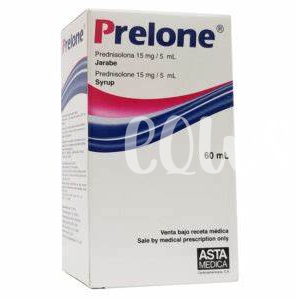
When my son needed prelone, we learned to match doses to daily routines so medicine felt natural. Ask your prescriber whether to give it with food, and set a consistent time the household follows reliably.
Clinicians often recommend morning dosing to mimic natural hormone cycles; this may reduce sleep disturbances that steroids sometimes cause. Avoid late-evening doses and coordinate with school nurses so caregivers administer prelone at the right moment.
If a dose is missed, give it when remembered unless the next dose is near; never double up without medical advice. For longer regimens there's caution—tapering prevents withdrawal, so follow instructions about stopping prelone carefully.
Use alarms and a log to keep dosing consistent during weeks or travel; align doses with meals to reduce nausea. If illness or schedule shifts occur, call your clinician for advice about continuing prelone safely.
Spot Side Effects Early and When to Call
I remember the first time my child took prelone: a tiny cough syrup bottle felt heavy with worry. Watch for sudden mood swings, unusual sleep changes, tummy pain or a rash, and note anything that’s markedly different from baseline. Keeping a symptom log helps you spot patterns and gives clear details for your pediatrician.
Call promptly if your child has breathing trouble, persistent high fever, repeated vomiting, severe headache, or swelling. Also contact the clinic for signs of infection like sore throat or white patches. If unsure, err on the side of caution: describe timing, dose and changes since starting prelone so the clinician can advise whether urgent care or a simple adjustment is needed.
| Sign | Action |
|---|---|
| Breathing difficulty | Call emergency services |
| Rash or swelling | Contact clinic same day |
| Mild upset stomach | Monitor and log |
Storage, Travel, and Keeping Medication Accessible Safely
At home, treat the syrup like a small but important tool: keep it in its original bottle with the label and dosing information visible, store at room temperature away from heat or direct sunlight, and check the expiration date regularly. Use the childproof cap and place it up high.
When traveling, carry the bottle with you rather than packing it in checked luggage; place it in a sealable plastic bag to prevent spills and include the measuring syringe. Keep a copy of the prescription or doctor's note and follow airline rules for liquids. A small insulated pouch helps if temperatures will vary.
Brief caregivers, keep instructions with the bottle, and never leave medication unattended, ever.
