To Buy Symbicort Online Visit Our Pharmacy ↓
 Tips for Proper Symbicort Inhaler Technique
Mastering the Prep: Shake and Inspect Inhaler Properly
Before each dose, imagine the inhaler as a tiny rescue kit: give it a firm shake to consistently mix the medication evenly and prevent weak puffs. Hold the canister upright, glance at the mouthpiece for debris or damage, and remove the cap. That moment of inspection helps ensure every actuation delivers the full, intended dose.
If you see dirt or blockage, clean with a dry cloth and avoid water in the canister; never poke inside. Also check the dose counter or keep track if there isn’t one, and prime the inhaler if it hasn’t been used for days. These simple preparation habits reduce missed doses and keep your inhaled therapy reliable, supporting improved daily control.
| Check | Why |
|---|---|
| Shake | Ensures dose consistency |
| Inspect mouthpiece | Removes debris, prevents blockage |
| Prime if unused | Prevents weak first puff |
| Check dose counter | Tracks remaining doses |
Breathe Out Fully before Each Symbicort Dose

Before you bring the mouthpiece to your lips, picture letting go of the last breath so your lungs are ready to receive the medicine. A full exhale empties the airspaces and creates room for a deeper, more controlled intake; this helps the symbicort reach the small airways where it works best. Exhale gently and completely, but avoid blowing into the inhaler.
After emptying your lungs, pause a beat to stabilize your breath and position the device. Placing the inhaler correctly after a full exhale lets you draw a slow, deep breath that carries medication into lower airways. Practicing this rhythm a few times at home builds confidence so you’ll use symbicort effectively when symptoms strike.
Coordinate Actuation with Inhalation: Timing Is Key
A small moment of timing can change how much medication reaches your lungs. Imagine pressing the canister as you start a calm, steady inhalation; that synchronization sends the aerosol deep where it’s needed. Stand or sit upright, begin inhaling slowly to help medicine reach small airways.
Practice by exhaling fully, putting the mouthpiece in place, and beginning a slow inhale before actuating. If you fire too early or too late, much of the dose lands in the mouth or throat instead of the airways, reducing effectiveness. Slow and steady wins the dose here.
Many people rehearse with an empty device to build rhythm; caregivers can watch and give feedback. With consistent timing, symbicort delivers better control, fewer symptoms, and greater confidence each time you breathe. If coordination is difficult, ask about a spacer or extra coaching to simplify use today.
Slow Deep Inhale, Hold Breath for Ten Seconds
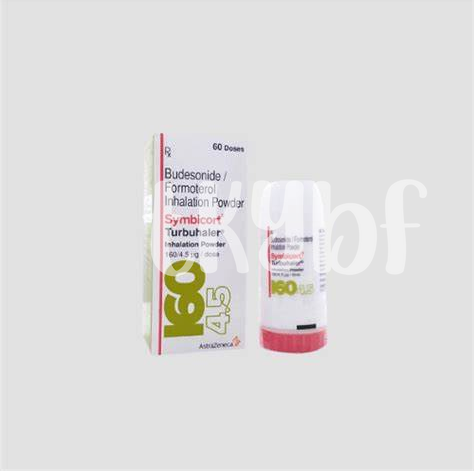
A quiet moment before treatment can feel like pressing a reset button; imagine settling into a chair, placing the device, and preparing to draw medicine into the lungs. A brief ritual steadies nerves and improves consistency.
Taking air slowly reduces turbulence and allows particles to travel deeper; clinicians recommend a controlled, steady inhalation to maximize deposition of inhaled corticosteroid and bronchodilator components in symbicort. It supplements proper positioning and device handling too.
After the inhalation pause, holding for several seconds gives the medicine time to settle on airway tissue; aim for a calm count so you avoid coughing or immediate exhalation that could reduce effectiveness.
Practice this routine slowly at first, perhaps with a caregiver or mirror, and track improvements in symptom control; better technique often means fewer reliever puffs and greater confidence managing respiratory health. Discuss technique during appointments.
Rinse Mouth after Use to Reduce Side Effects
After taking a dose of symbicort, you may notice a coating or bitter taste in your mouth; a quick swish and spit removes residue and lowers the chance of local irritation. It only takes a few seconds and greatly lowers the likelihood of oral side effects.
This simple step helps prevent throat hoarseness and oral yeast infections (thrush), which are known side effects of inhaled corticosteroids. Rinsing with plain water, gargling for a few seconds, and spitting are effective, and using a toothbrush afterwards can further reduce risk.
Make it a habit: rinse immediately after inhalation, don't swallow the rinse, and check your mouth regularly for white patches or soreness. If symptoms persist, consult your healthcare provider; small adjustments to technique or additional treatments can keep your airways clear and comfortable. Bring spare water when traveling for consistent care always.
| Tip | Why |
|---|---|
| Swish & spit | Reduces oral residue and infection risk |
Clean, Store, and Track Doses for Reliability
A gentle ritual keeps your inhaler ready. Wipe the mouthpiece weekly and air-dry; avoid water inside the canister and never block the spray.
Store it upright at room temperature, away from heat and humidity, and keep the cap on to limit dust and keep away from children and pets.
Use the built-in counter or mark doses on a calendar so you never miss how many remain; replace before empty. Check expiry dates regularly often.
Small habits protect effectiveness and safety—cleaning, correct storage, and tracking bring peace of mind. FDA NHS
