To Buy Tizanidine Online Visit Our Pharmacy ↓
 Tapering Off Tizanidine: Safe Withdrawal Strategies
Understanding Tizanidine: Mechanism, Effects, and Risks
When a clinician prescribes tizanidine, patients often imagine quick relief from spasticity; the drug works as an agonist at alpha-2 adrenergic receptors in the spinal cord, reducing excitatory neurotransmitter release and calming muscle overactivity.
Benefits can include decreased pain and improved function, but effects vary and sedation, dizziness, and hypotension are common. Liver enzyme elevation and interactions with CYP1A2 inhibitors make monitoring essential, especially in older adults or those on multiple medications.
Because stopping suddenly may trigger rebound hypertension, increased spasticity, or withdrawal symptoms, planning a gradual taper with a healthcare provider minimizes risks. Baseline vitals and liver tests help tailor the approach, and patients should report troubling symptoms promptly. Family support aids recovery continually.
| Common Effect | Clinical Note |
|---|---|
| Sedation/dizziness | Assess fall risk; avoid driving |
| Hypotension | Monitor blood pressure |
| Liver enzyme elevation | Check LFTs at baseline and as indicated |
Common Withdrawal Symptoms and Their Expected Timeline

Stopping tizanidine can feel abrupt: the body protests with muscle tightness, anxiety, and sleep disruption. These early signs often emerge within 24–72 hours of dose reduction, catching patients unprepared if they expect only mild discomfort.
Over the first week, symptoms may fluctuate: rebound spasticity, sweating, elevated heart rate, and tremor are common. Some people describe waves of discomfort that ease then return, highlighting the need for a paced plan and regular follow up.
More severe withdrawal, such as confusion, hallucinations, or seizures, is rare but possible, particularly after high-dose use or abrupt cessation. Expect most symptoms to abate over two to four weeks with gradual tapering and support. Persistent or worsening signs warrant prompt medical evaluation to prevent complications and to tailor mitigation strategies. Communicating changes with your clinician and documenting symptom timing improves safety and recovery outcomes over time.
Preparing to Taper: Consultations, Baseline Checks, Planning
Before reducing tizanidine, tell your clinician about all medicines, alcohol use, and medical history; together you’ll review risks like low blood pressure, sedation, and liver enzyme changes. A pragmatic baseline assessment often includes blood pressure, heart rate, and liver tests, plus a medication interaction check (notably CYP1A2 inhibitors). This conversation frames realistic expectations and safety limits.
Build a written taper plan with your provider that specifies dose steps, timing, and contingency actions for severe symptoms. Arrange regular follow-ups, a buddy or caregiver, and clear instructions for when to pause or seek urgent care. Having backup strategies—nonpharmacologic supports and, if needed, short-term adjunct medications—makes the process less daunting and safer. Document progress and symptom changes daily.
Sample Taper Schedules: Slow, Moderate, and Rapid Options
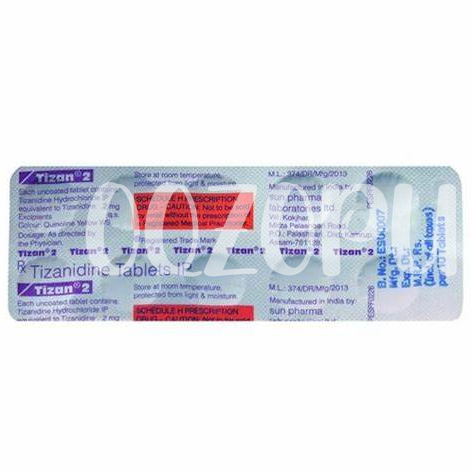
Imagine stepping down from tizanidine like descending a gentle staircase: each step measured, intentional, and watched. A slow taper often reduces dose by 10–20% every two weeks, allowing the nervous system time to adapt and minimizing withdrawal.
A moderate plan speeds that pace slightly: dropping by 25% weekly or decreasing pill frequency, with frequent check-ins for symptoms and blood pressure monitoring due to tizanidine’s hypotensive effects.
Rapid tapers are reserved for urgent situations, cutting dose by half or stopping within days, but they raise risk of rebound spasticity, insomnia, and anxiety; they require close supervision.
Personalized taper considers duration of use, comorbidities, and other medications; discuss options with your clinician before changing anything for safety.
Managing Symptoms: Nonpharmacologic and Medication Support Strategies
As you reduce tizanidine, practical symptom care blends simple routines and clear thinking. Track sleep, hydration, and gentle stretching to ease stiffness; warmth, massage, and paced walking can steady mood and muscle tension. Keep a diary of dose changes and symptoms so clinicians can adjust plans. Mindful breathing and regular sleep schedules often soften anxiety that arises during tapering.
Short-term medication supports — acetaminophen, low-dose benzodiazepines briefly, or a bridging muscle relaxant — may be recommended, but discuss interactions and dependency risks with your prescriber. Use nonpharmacologic coping first, and contact your clinician if symptoms intensify or daily function declines. Keep emergency contacts and plan for gradual follow-up visits. Monitor blood pressure daily and hydration.
| Support | Example |
|---|---|
| Nonpharm | Stretching, sleep |
When to Stop Tapering and Seek Urgent Care
If you develop severe signs — chest pain, fainting, irregular heartbeat, seizures, or sudden high fever and profound confusion — stop the taper and seek immediate medical attention. These symptoms can signal dangerous cardiovascular or neurologic complications that require rapid evaluation and treatment.
Intolerable autonomic instability, such as marked dizziness, uncontrollable shaking, very high blood pressure, or breathing difficulty, also warrants prompt care rather than continued tapering at home. Emergency teams can stabilize vitals, manage acute withdrawal effects, and restart or adjust medications safely.
When uncertainty or rapid deterioration occurs — loss of consciousness, worsening mental status, or worrying input from caregivers — go to the nearest emergency department. Bring your medication list and taper plan to help clinicians make fast, informed decisions. If transport is delayed, call emergency services for advice and instructions, and have someone stay with you. MedlinePlus: tizanidine DailyMed: tizanidine
