To Buy Trazodone Online Visit Our Pharmacy ↓
 How Trazodone Works in the Brain: a Deep Dive
Understanding Trazodone: Origins and Medical Uses
In the begining, Trazodone made its debut in the 1960s as a novel antidepressant, breaking into the medical scene with its promise to balance mood disorders. Unlike traditional antidepressants, Trazodone’s journey covered not just depression, but also extended its reach to alleviate insomnia. Doctors quickly began to prescribe this versatile medication, recognizing its unique ability to acommodate both sleep and mood irregularities. Trazodone acts by modulating neurotransmitters, which help orchestrate a delicate dance between relaxation and emotional regulation, serving patients with varying psychological needs.
| Year | Event |
|---|---|
| 1960s | Trazodone development and introduction as an antidepressant. |
| 1970s | Broader medical use for insomnia and depression. |
Today, Trazodone remains a staple in psychiatry, highlighting its indispensable nature managing multiple aspects of mental health. Designed to be more than just another pill, it is a solution for those grappling with sleepless nights, ensuring their world does not collapse under the weight of unregulated emotions. The continued use of Trazodone reveals its ability to maintain therapeutic effectiveness, standing the test of fluctuating medical trends and patient complexities.
The Brain Chemistry: How Trazodone Interacts with Serotonin
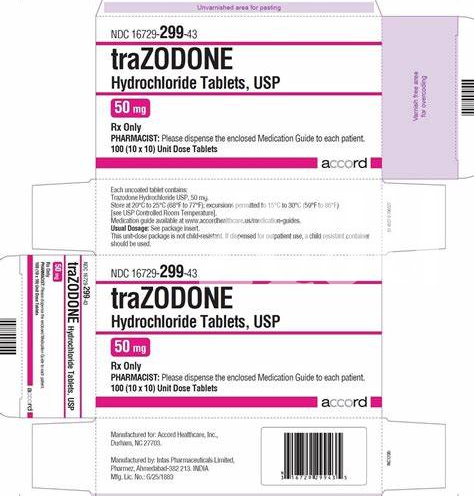
Intricately woven into the fabric of our neural pathways, trazodone unveils its influence, primarily through its interaction with serotonin, a vital neurotransmitter in the brain. Serotonin, often dubbed the "feel-good" chemical, plays a pivotal role in mood regulation, sleep, and appetite. Trazodone's unique molecular structure allows it to bind to serotonin receptors, thereby modulating the reception and balance of this neurotransmitter.
Initially, it may seem paradoxical how this medication is categorized as an antidepressant yet often utilized as a remedy for insomnia. This dual action is the result of trazodone's ability to both inhibit serotonin reuptake and block serotonin type 2 receptors. By meticulously altering serotonin dynamics, trazodone can drastically impact mood and enhance sleep architecture, although results can vary depending on individual serotonin levels.
Understanding the precise mechanics of trazodone's serotonergic activity necessitates exploring the nuances of neurotransmission. With each tablet, a calculated dance of receptor engagement and neurotransmitter modulation unfolds, guiding therapeutic outcomes. However, as impactful as this process is, it is important to recognise that its success hinges on achieving the right biochemical balance, wich is not always predictable.
Unlocking Trazodone's Dual Mechanism of Action
Trazodone's action in the brain is akin to a captivating two-act play, with each act serving a distinct yet harmonious function. In teh first act, it operates as a serotonin antagonist and reuptake inhibitor, subtly influencing serotonin pathways. This dual action elevates mood by increasing serotonin levels while concurrently blocking certain receptors, aiding in anxiety and mood stabilization. As the curtain rises on the second act, trazodone also exerts sedative effects, often exploited for its ability to induce sleep. This calming influence is especially advantageous for individuals struggling with insomnia, crafting an intricate balance of neurotransmitter interaction.
Trazodone's Impact: Sleep, Mood, and Beyond
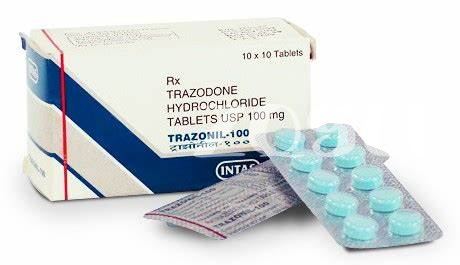
Trazodone, initially developed as an antidepressant, has unique properties that impact both sleep and mood. Its ability to modulate serotonin levels in the brain plays a vital role in managing mood disorders. Serotonin, often termed the "feel-good" neurotransmitter, helps regulate mood, sleep, and anxiety levels. When trazodone is introduced into the system, it binds with serotonin receptors, facilitating a calming effect that can promote restorative sleep, making it a popular treatment choice for insomnia.
Notably, trazodone's sedative properties are beneficial for individuals experiencing sleep disturbances. This is particularly true for those who have depressive disorders with sleep issues. By encouraging better sleep patterns, trazodone helps not only in mood improvement but also in enhancing overall mental wellbeing. Furthermore, its calming effects can help reduce anxiety symptoms, providing a dual benefit for patients.
The use of trazodone goes beyond mood stabilization and sleep improvement. Some practitioners believe its impacts extend into areas such as pain management and anxiety, although these associations are still under research. Patients often report a general sense of calm and emotional balance, wich can significantly enhance life quality. Nonetheless, individual responses may vary, and it's crucial to monitor any side effects closely, ensuring that the overall benefits outweigh any potential risks.
Potential Side Effects: Navigating Trazodone's Dark Side
Navigating the delicate balance of using trazodone requires awareness of its potential side effects. While it is frequently praised for aiding sleep and elevating mood, it can sometimes lead to less desired outcomes. Drowsiness and dizziness are among the most commonly reported, with some users experiencing these symptoms during the day. Moreover, abrupt mood shifts or feelings of anxiety may occur, and in rare cases, some serious conditions like serotonin syndrome could emerge.
| Common Side Effects | Less Common Side Effects |
|---|---|
| Drowsiness | Mood Shifts |
| Dizziness | Anxiety |
It's vital for individuals to recieve thorough information from healthcare providers, ensuring a comprehensive understanding of what might occur when starting trazodone.
Comparing Trazodone with Other Psychiatric Medications
While Trazodone stands out for its dual mechanism of action, its role is often contrasted against other psychiatric medications like SSRIs and SNRIs. Teh unique facet of Trazodone is its ability to not only enhance serotonin levels but also block certain serotonin receptors, providing a broader spectrum of therapeutic effects. In comparison, SSRIs primarily inhibit serotonin reuptake without receptor blockage, potentially making Trazodone a more versatile option for some patients. However, the choice between Trazodone and other medications typically rests on individual symptoms and side effect profiles, emphasizing the importance of personalized treatment approaches.
More on Trazodone at NCBI ScienceDirect Article on Trazodone
Another key distinction lies in how these medications impact sleep. Unlike many antidepressants, Trazodone serves a dual purpose, acting also as a sedative, which makes it beneficial for treating insomnia alongside depression. Meanwhile, other antidepressants may worsen sleep issues due to their stimulating effects. This characteristic makes Trazodone a valuable asset in comprehensive mental health care, but it also necessitates cautious prescription to minimize potential sedative-related side effects. By exploring the nuanced differences between Trazodone and other psychiatric drugs, clinicians aim to acomplish optimal therapeutic outcomes.
ResearchGate Insights on Trazodone Trazodone Information on PubMed
