To Buy Zepbound Online Visit Our Pharmacy ↓
 Zepbound and Lifestyle Changes — Diet, Exercise, Sustainable Habits
How Zepbound Works with Your Body
Starting a new medication can feel like a voyage; you notice subtle shifts as appetite and metabolism respond. Understanding timing, dose effects, and hydration helps align daily rhythms and expectations.
At a physiological level, it influences hunger signals and glucose handling, modestly slowing gastric emptying while sharpening satiety cues. Small dietary tweaks amplify these effects without dramatic restrictions over time.
Pairing medication with consistent sleep, regular protein-rich meals, and steady hydration supports lean mass and energy. Gentle pacing of activity prevents fatigue and sustains steady, meaningful progress week to week.
Expect fluctuations; track trends rather than daily swings. Communicate side effects or plateaus promptly to your clinician to adjust dose or plan. This collaborative approach makes results safer and sustainable.
| Mechanism | Tip |
|---|---|
| Satiety increase | Protein rich snacks |
| Slowed emptying | Fiber and hydration |
| Metabolic signaling | Consistent meals |
| Consult provider | Dose adjustments |
Power Foods to Pair with Zepbound

Imagine your plate as a partner in treatment: lean protein, fiber-rich vegetables, whole grains and healthy fats help sustain fullness and steady energy, reducing cravings while zepbound does its work. Choosing colorful, minimally processed foods enhances nutrient intake and supports metabolic balance, making each meal a small, practical ally.
Prioritize berries, leafy greens, legumes, nuts and fatty fish for omega-3s; Greek yogurt and eggs boost protein and probiotics. Hydrate often, favor whole-fruit snacks over sweets, and prep balanced portions to stay consistent—simple habits that amplify results and make change sustainable.
Smart Exercise Routines Complementing Zepbound Progress
When I started zepbound, movement became more than calorie burn; it felt like reinforcing medication gains through gentle consistency. Tracking small wins kept me motivated and fed back into clinical progress.
Begin with low-impact cardio such as brisk walking or cycling for 20–30 minutes, three to five times weekly, raising heart rate without overtaxing the system.
Add two strength sessions weekly focusing on compound moves — squats, push-ups, rows — to preserve muscle and support metabolic health as weight changes.
Listen to your body, progress gradually, and pair workouts with rest days and mobility work; this blended approach helps sustain results without injury or burnout. Consult professionals when adjusting intensity, and tailor plans based on medical guidance.
Managing Side Effects through Lifestyle Adjustments
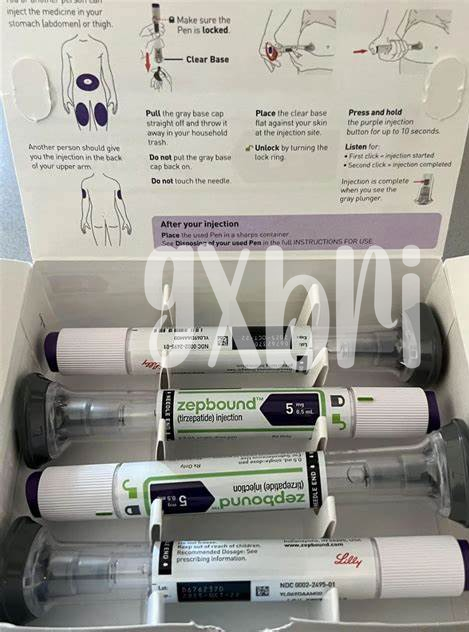
When I started zepbound, mild nausea and sleep changes followed; I learned shifts matter. Eating smaller, protein-rich snacks and staying hydrated eased queasiness, while a consistent bedtime reduced insomnia. Simple ginger or peppermint teas also provided relief and were easy to use.
Gentle movement — walking or light yoga — cut fatigue and lifted mood without overtaxing the body. Tracking meals and symptoms for two weeks helped me spot triggers and adjust portions or timing. I prioritized nutrient timing around doses and favored fiber-rich choices to support digestion and steady energy.
Communicating with my clinician enabled safe tweaks, like adjusting supplements and pacing exercise. These practical habits turned disruptions into manageable steps toward steady progress and resilience.
Building Sustainable Habits for Long Term Success
Morning rituals anchored my progress: consistent sleep, measured meals, and a brief walk before work. Pairing small cues with zepbound doses made adherence feel natural, not punishing, and turned intentions into repeatable behaviors—daily successes.
I learned to stack tiny wins: a water glass by the bedside, prepping proteins on Sundays, and setting outfit choices the night before. They reduced friction and subtly reinforced routines, conserving willpower for inevitable setbacks gracefully.
Framing goals around identity helped — I became someone who cares for health, not a person chasing a number. This mindset, paired with adaptable plans, allowed adjustments when life interfered, keeping motivation intact and progress steady.
Accountability systems mattered: a friend check-in, weekly reflections, and periodic professional reviews kept momentum honest without shame. Rewarding tiny victories and redesigning habits around pleasure rather than punishment created sustainable change over months and years.
Tracking Progress Without Obsession or Burnout
Start by setting simple, measurable markers you actually care about — energy, clothing fit, strength and weekly weight trend. Celebrate non-scale wins to keep curiosity alive and pressure low over time.
Use weekly averages from your scale or photos instead of daily spikes. Log modest goals in a notebook and adjust plans based on patterns, not perfectionism or guilt and reflection.
Schedule brief check-ins with a clinician or coach to interpret results and tweak medications or routines when needed. Social support reframes setbacks as data, not failure, fostering resilience and growth.
Limit tracking time, choose one easy app or journal, and prioritize sleep, stress management and enjoyable movement to prevent obsession while supporting steady progress consistency. FDA approval announcement SURMOUNT clinical trial details (ClinicalTrials.gov)
